Build a Trustworthy Brand with Wildwestwood Font
When you run a small business, every detail matters. Your logo, your packaging, your social media posts, and even the font you choose all send a message to your customers. If you have been searching for a typeface that feels personal, warm, and genuinely handmade without sacrificing professionalism, Wildwestwood deserves a close look. This handwritten font carries a romantic touch that can transform ordinary business materials into something memorable. Let me walk you through how this font can help you build a consistent, trustworthy brand across every customer touchpoint.
The Personality Behind Wildwestwood
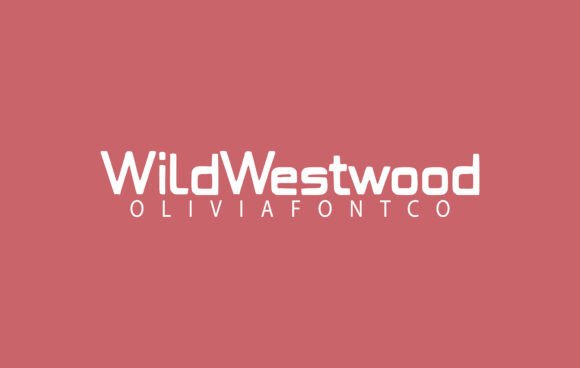
Wildwestwood is not your standard digital font. It is an authentic handwritten typeface that brings a sense of human connection to your brand. The letters have a natural flow, with gentle curves and a slightly playful rhythm that feels approachable rather than stiff. The romantic undertone makes it especially suited for businesses that want to evoke warmth, nostalgia, or a heartfelt story. Whether you sell handmade candles, run a cozy café, or offer coaching services, this font can help you communicate sincerity and care.
Unlike many sans serif fonts that feel clean but cold, Wildwestwood retains a human touch. It is a display font at heart, meaning it works best when you want to make a statement. Use it where you need personality to shine: your logo, your tagline, your product names, or your social media headers. When customers see this font, they do not just read words; they feel the intention behind them.
Where Wildwestwood Shines in Your Business
One of the greatest challenges for small business owners is making every piece of customer-facing material look intentional and cohesive. Wildwestwood can become the thread that ties your brand together. Here are some realistic ways you can use it in your daily operations.
Logos and Business Cards
Your logo is often the first impression a customer has of your business. Wildwestwood works beautifully as a wordmark or a central element in your logo design. If you run a boutique bakery, for example, writing your shop name in this font instantly communicates homemade quality. For a beauty brand, the romantic curves can suggest indulgence and self-care. On a business card, the handwritten style feels personal and memorable. People are more likely to hold onto a card that looks like it came from a real person rather than a corporate template.
Product Labels and Packaging
Packaging is your silent salesperson. When a customer picks up a product with a label typeset in Wildwestwood, they perceive care and craftsmanship. Imagine a line of small-batch candles or handmade soaps. The font adds a layer of storytelling that plain sans serif fonts often miss. It tells the customer that this product was created by someone who values detail. For online sellers, packaging photos are shared on social media and marketplaces. A distinctive font makes your product instantly recognizable in a sea of similar items.
Menus, Flyers, and In-Store Signage
If you operate a physical location like a café, boutique, or studio, Wildwestwood can bring warmth to your signage. A menu board written in this font feels inviting and casual, setting the right mood before a customer even orders. Flyers for seasonal promotions or events gain a handcrafted look that stands out from generic templates. Even simple thank-you cards or stickers included with purchases become small brand moments that build loyalty.
Social Media and Digital Content
In the digital space, consistency is key. Use Wildwestwood in your Instagram post titles, Pinterest graphics, and website banners. Because it is a handwritten display font, it grabs attention in busy feeds. Pair it with simple backgrounds and let the lettering do the work. For a coaching business, a quote graphic set in Wildwestwood feels authentic and encouraging. For a product-based brand, it highlights product names or limited edition releases. Just be mindful of readability on small mobile screens, which I will discuss in a moment.
Creating a Cohesive Brand Identity
A font alone does not make a brand, but a carefully chosen font can tie your brand identity together. When you use Wildwestwood consistently across your logo, packaging, website headers, and social media, customers start to associate that handwritten look with your business. Over time, they recognize you before they even read your name. That recognition builds trust. A consistent brand looks professional, even if you are a solo entrepreneur working from home.
Think about the emotional tone you want to set. Wildwestwood leans romantic and sincere, which makes it ideal for businesses centered around relationships, creativity, wellness, artisanal products, or hospitality. If your brand voice is more corporate or technical, this font might feel out of place. But for the vast majority of small, customer-focused businesses, it hits the sweet spot between approachable and refined.
Readability and Practical Use in Real Materials
I always test fonts in the actual places they will appear before committing. Wildwestwood is a display font, so it performs best at medium to large sizes. Use it for headlines, product names, logos, and short phrases. It remains legible in print materials like labels and packaging as long as the text is not too small. On mobile screens, keep it for headers and key messages. For body text or long paragraphs, pair it with a clean sans serif font that handles small sizes better.
When you design a product label, make sure the most important information, like the product name or your brand name, is set in Wildwestwood at a readable size. Secondary details like ingredients or instructions can be in a simpler companion font. This approach keeps your design balanced and professional.
Testing Wildwestwood Before Committing
Before you redesign your entire brand around any font, test it in a few real-world scenarios. Create a mockup of your logo. Print a sample product label. Design a single Instagram post. See how the font feels in context. Does it match the emotion you want to convey? Does it stand out on a cluttered shelf or in a busy feed? Does it still look good in black and white, or does it rely on color to shine? Testing early saves you time and helps you avoid a costly rebrand later.
Wildwestwood is versatile enough to work in many settings, but every business is different. Trust your eyes and your customer feedback. If the font resonates with the people you serve, you have found a valuable asset.
Pairing Wildwestwood with Other Typefaces
No single font can do everything. For a professional brand system, you need at least two typefaces that complement each other. Wildwestwood pairs naturally with clean, minimal fonts that do not compete for attention. A simple sans serif font like a geometric or humanist style works well for body text, prices, contact information, and long descriptions. If you prefer a more traditional look, a readable serif font can also be a good match, especially for businesses with a vintage or elegant feel.
The goal is contrast. Wildwestwood brings personality and warmth. Its companion font brings clarity and calm. Together, they create a balanced visual hierarchy that guides the reader from headline to detail without confusion. For example, use Wildwestwood for your café menu section titles and a clean sans serif for the menu items and descriptions. Your logo stays in Wildwestwood, while your website navigation and body copy use the simpler font. This pairing makes your brand look thoughtful and easy to navigate.
Licensing Considerations for Commercial Use
Before you put Wildwestwood on products, packaging, templates, merchandise, or client work, verify the commercial license terms. Font licensing can be tricky, and using a font without the proper permissions can lead to legal issues down the road. Some fonts are free for personal use but require a commercial license for business applications. Make sure your license covers the specific ways you plan to use it, whether that is in digital designs, print-on-demand products, or branding for multiple clients. Investing in the right license protects your business and respects the work of the font creator.
Wildwestwood is a premium font that can elevate your brand identity, but it is only valuable if you use it correctly and legally. Check the license details on the marketplace where you purchase it, and keep a copy of your receipt for your records.
Building a brand that customers trust takes time and attention to detail. Wildwestwood gives you a tool to communicate warmth, authenticity, and care across every piece of your business. Use it thoughtfully, pair it with a clean companion font, test it in real materials, and respect the licensing terms. When you do, your brand will not only look more professional, it will feel more human. And that is exactly what customers are looking for.